Blog
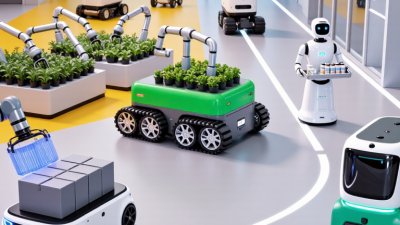
Top 10 AI Robot Types for Global Buyers
AI robot technology is moving from research labs into warehouses, hospitals, farms, hotels, and private homes. Global buyers now face a crowded market with very different capabilities, costs, and risks. This guide introduces ten major AI robot types, including autonomous mobile robots, collaborative arms, delivery robots, agricultural machines, inspection platforms, and service robots.
Each category solves a different operational problem. A warehouse robot may move a 20-kilogram container across marked floors, while a healthcare robot may deliver medicine between controlled areas. Small details matter. Battery duration, payload capacity, navigation accuracy, cleaning requirements, and service coverage can change the purchasing decision. So can local connectivity, workplace rules, data protection expectations, and product certification.
Real deployment is rarely perfect. Some robots struggle with reflective floors, crowded corridors, poor lighting, or unexpected objects. Buyers should request practical demonstrations, not rely only on polished videos. Vendor experience, maintenance response, software updates, training, and integration with existing systems deserve equal attention. A low purchase price may hide expensive installation or frequent downtime.
The ranking in this article is designed for informed comparison, not blind purchasing. It considers business value, maturity, adaptability, safety features, and likely global demand. However, market conditions change quickly. A promising system today may need stronger evidence tomorrow. Careful testing remains essential. The best AI robot is not always the most advanced model; it is the one that performs reliably within a buyer’s real environment, budget, and responsibilities.
Read more »
 By:Ethan
- October 21, 2026
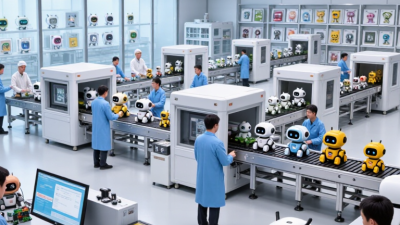
China Best AI Toys Manufacturers for Global Buyers?
Finding the China best AI toys manufacturers for global buyers requires more than comparing factory prices. A reliable supplier must combine product creativity, engineering experience, stable production, and responsible business practices. This guide examines manufacturers through practical buyer concerns, including safety testing, software reliability, customization, communication, and export support.
AI toys should feel engaging, but they must also work consistently in real homes and classrooms. A talking robot that loses connection after ten minutes is not a strong product. Neither is a learning toy with unclear age guidance, weak battery protection, or poorly explained data practices. We will consider factory capabilities, prototype quality, material control, packaging details, and after-sales response. Sample testing matters.
Look beyond polished websites.
Global buyers should request current certifications, test reports, production photographs, and clear answers about firmware updates. They should also confirm whether the manufacturer manages development internally or outsources critical work. That difference can affect quality, timelines, and accountability. Experience with international shipments is useful, but it does not guarantee every order will be smooth. Even established suppliers can face communication gaps, component shortages, or changing platform requirements.
This comparison aims to provide a practical starting point, not a permanent ranking. Manufacturer strengths can change quickly. Our evaluation may also miss smaller factories with valuable specialist skills. Buyers should verify every claim independently and test products before committing to volume orders. The strongest partnership usually develops through transparent discussions, documented specifications, realistic expectations, and steady quality checks from concept to delivery.
Read more »
By:Ethan
- October 21, 2026

How to Use an AI Chatbot for Global Sourcing?
Global sourcing often begins with scattered information: a supplier directory, a product specification, three currencies, and a crowded inbox. An AI Chatbot can bring these details into one working conversation. It can help draft supplier inquiries, compare minimum order quantities, summarize payment terms, and organize lead-time differences across time zones. A sourcing manager might paste five quotations and ask for a table showing price, tooling cost, delivery window, and required certifications. Minutes later, the negotiation has a clearer starting point.
Harvard Business School professor Karim R. Lakhani observed, “AI won’t replace humans—but humans with AI will replace humans without AI.” His point applies carefully to procurement. The chatbot can accelerate research, but it cannot independently confirm a factory’s capacity, audit documentation, product quality, or ethical practices. Human judgment remains essential. Always verify supplier identities, certifications, contract language, shipping terms, and applicable import requirements through reliable sources.
The method is not flawless.
An AI Chatbot may confuse FOB with CIF, overlook a hidden surcharge, or interpret an unclear specification too confidently. That weakness creates a useful discipline: ask precise questions, request source links, and review every recommendation before acting. Keep sensitive commercial information protected. Use the tool to prepare decisions, not to make unchecked commitments.
This guide explores practical ways to use an AI Chatbot for supplier discovery, quotation analysis, communication, risk screening, and follow-up. It also examines where automation becomes unreliable. Global sourcing is still a human process, even when the first draft comes from a machine.
Read more »
By:Ethan
- October 21, 2026